
The Post COVID Airport Experience
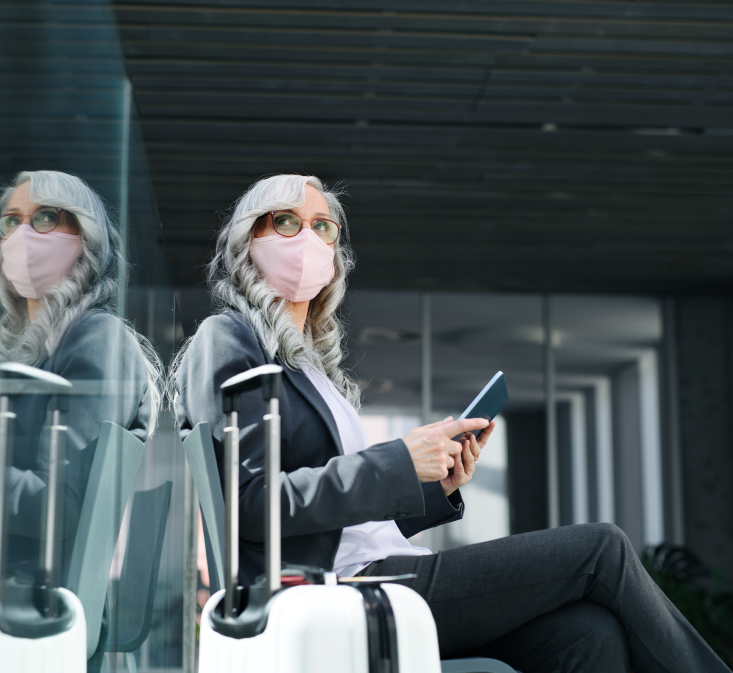
Airlines may alert travelers to remind them to check what they need to do when they arrive at their destination. Some airlines are proactively letting people know about Covid-related restrictions or different procedures needed upon arrival.
Some corporates provide airport preparation advice as part of their return to travel initiatives. Carrying out companywide communication plans with the details travelers must have in mind when travelling, with tips such telling people to have a refillable water bottle with them, healthy snacks, things that sustain you should the journey take longer than you expect.
Travel managers could get some help from evolving technologies like Lumo, which predicts TSA wait times at major airports—giving travelers foresight as they plan their journeys—but not all programs will be able to make that technology investment. Plus, advance information doesn’t actually change the situation on the ground.
The things like TSA Pre-Check and lounge access are more important than ever. If you don’t have that as a business traveler, then you will be stuck in long lines.
As vaccinations spread and optimism increases that the pandemic is nearing its end, how long Covid-related safety measures and protocols will remain in place for now is an open question, at airports and elsewhere.
Some measures like social distancing are already being less followed and/or enforced.
What could follow is a greater divergence in the passenger experience between individual airports due to tight budget constraints. Passenger traffic and revenue is not expected to fully return to pre-pandemic levels until 2023, according to Airports Council International North America. Airports in the region are estimated to lose at least $40 billion through March 2022.
Stakeholders of smaller airports might hold off service improvements in the near future due to the financial situation. On June 22, the Federal Aviation Administration announced it will provide $8 billion in economic relief to domestic airports. The funding will help airports keep staff and reimburse operational expense, debt service payments, costs related to Covid-19 protocol implementation and rent relief to retail and concession vendors. Raleigh-Durham, Seattle-Tacoma International and Portland International are airports approved to receive funding.
The conclusion to this series is that travelers must be informed before taking their trips to avoid long lines and missing their flights. Restrictions and regulations can change from one city to another or from one airport to another, so preparation is very important.