
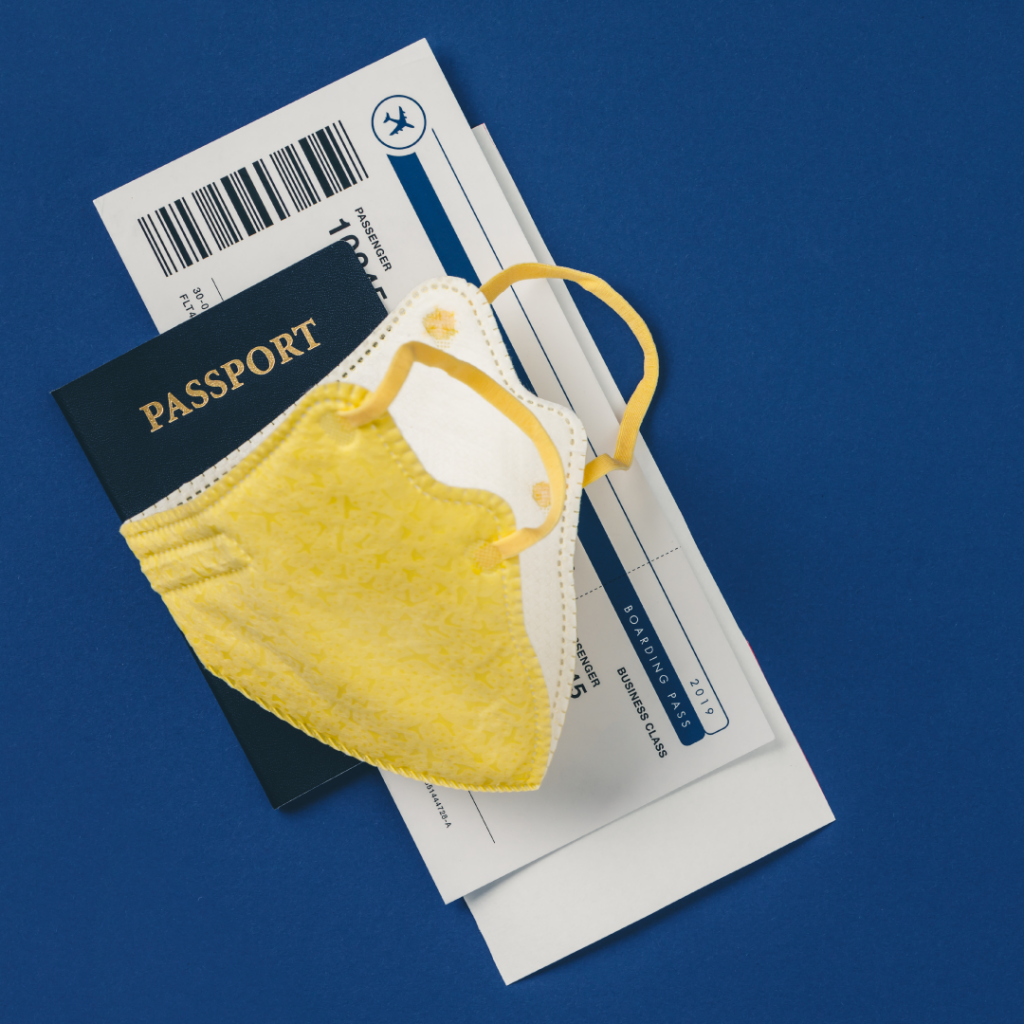
Widespread availability of Covid-19 vaccines could be a matter of weeks away in many countries, and this will be a key component of corporate travel reactivation. So, how should corporations handle this increasing availability? Can they require employees to be vaccinated, at least as a prerequisite for business travel?
Companies have to make sure not only that all employees have equal access to get a vaccine but also that there are exceptions in place to handle those who are unable to get a vaccine for medical reasons.
The real challenge, nevertheless, is for access and ability to find accurate information. There are multinational companies with locations all around the world, and they need to know for those locations what the requirements are for the vaccine and what vaccines are available, and all of that information is changing on a daily basis.
The need to manage health data will stretch far beyond travel. As numerous health passports to facilitate travel already are in various stages of development and testing, the wider possibilities around vaccine status are beginning to emerge. It’s not difficult to envision a world where such a tool is needed not just to board an airplane or cross a border but also to attend a sporting event, go to the theatre or dine in a restaurant.
While vaccines are key to restarting business travel, they remain only part of the solution. Recent studies are showing that the vaccines will be a big confidence boost for business travelers, with the number of people comfortable with traveling up two to four times across most countries post-vaccine.
According to a report published by IBM, “vaccination will have the biggest impact on the comfort level of people in Mexico, Germany and Brazil; business travelers in the U.S., India and China were most comfortable traveling before receiving the vaccine.”
That confidence boost is less pronounced in older travelers, however. Only a quarter of respondents over the age of 55 said they would be comfortable traveling for business after they are vaccinated, according to the report.
Companies will need to continue to build up duty-of-care efforts even as vaccines become more widespread, including traveler tracking to see, for example, whether any employees were at a hotel that later is reported to have a Covid-19 outbreak. Companies also should be prepared for employee comfort level to return in stages.
An employee might be comfortable to take a domestic flight, but not to take an international trip.
Companies will also need to continue to monitor restrictions even amid high vaccination rates. Chile, for example, has had one of the world’s highest vaccination rates but recently reimposed lockdown and border control measures amid a new surge. As ongoing research determines how effectively and for how long vaccines can prevent infection and transmission, prevention measures such as face coverings and distancing will remain part of the equation.
Vaccines are not the only layer of protection, so it makes sense not to lay all your eggs in that basket.